
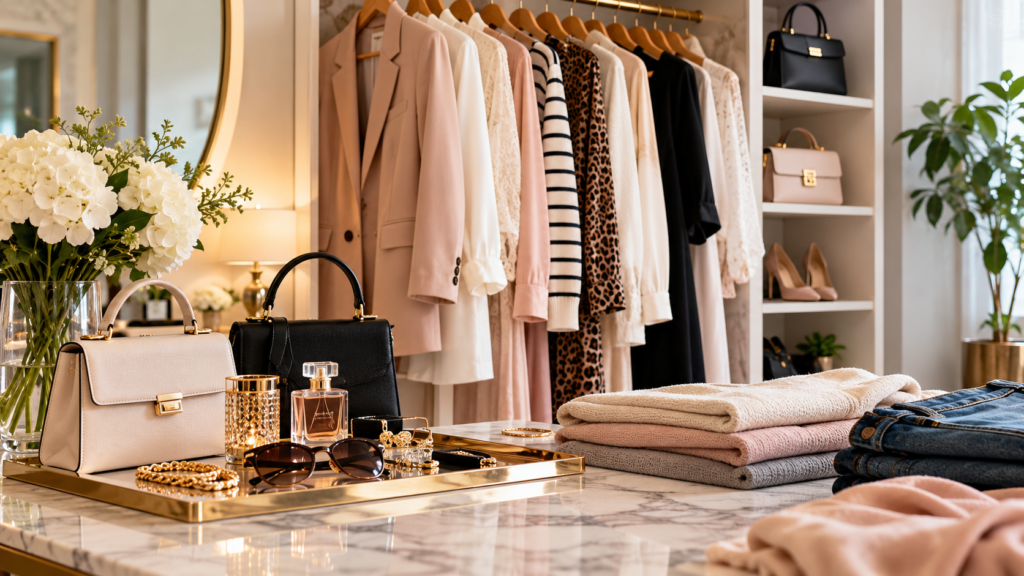

Building a Wardrobe That Works for You
A modern wardrobe should make getting dressed easier, more enjoyable, and more personal. With busy schedules and different occasions to dress for, having a collection of versatile clothing can save time while helping you feel comfortable throughout the day. The key is to choose pieces that reflect your preferences and work well together.
Instead of buying every new trend, focus on clothing that suits your lifestyle. A practical wardrobe can include everyday basics, polished outfits for work, comfortable weekend styles, and a few statement pieces for special occasions.
You do not need a large collection to create different looks. A thoughtful selection of well-coordinated garments can provide plenty of outfit combinations without making your wardrobe feel crowded.
Invest in Everyday Essentials
Everyday basics provide the foundation for a functional wardrobe. These are the pieces you reach for regularly because they are comfortable, easy to style, and suitable for different activities.
Consider including the following essentials:
- Classic tops: Plain shirts and versatile blouses can be paired with trousers, skirts, or jeans.
- Comfortable trousers: Straight-leg and relaxed-fit styles work for casual and semi-formal occasions.
- Well-fitting jeans: A reliable pair can be styled with simple tops, jackets, or traditional shirts.
- Lightweight layers: Cardigans and jackets can make outfits more adaptable to changing temperatures.
- Versatile dresses: Simple designs can be dressed up or down with suitable accessories.
When choosing these pieces, consider fabric quality, comfort, and ease of care. Neutral colors can make coordination easier, but your favorite shades and prints deserve a place in the wardrobe too.
Choose Clothing That Reflects Your Personal Style
Fashion becomes more enjoyable when your clothing reflects who you are. Some women prefer minimal designs and understated colors, while others enjoy bold prints, bright shades, and distinctive accessories. There is no single formula for dressing well.
Start by identifying the outfits you naturally feel comfortable wearing. Notice the colors, cuts, and fabrics you choose most often. These preferences can guide future purchases and help you avoid buying items that look appealing in a store but rarely get worn.
It is also helpful to consider your daily routine. Someone who spends much of the day at work may need polished, easy-to-coordinate outfits, while someone with a more casual schedule might prioritize relaxed clothing and comfortable footwear.
A wardrobe should support your life rather than require you to change your habits to accommodate it.
Explore Coordinated Outfits for Effortless Styling
Coordinated outfits are a practical choice for days when you want a complete look without spending too much time matching separate pieces. Two-piece sets, matching shirts and trousers, and coordinated tops and skirts create a consistent appearance with minimal effort.
For shoppers exploring contemporary clothing options, western co-ords sets in Pakistan can be a useful search phrase for discovering coordinated styles suited to casual outings, social gatherings, and everyday wear.
The appeal of a co-ord set is its versatility. You can wear both pieces together for a polished outfit or style each item separately with other wardrobe essentials. For example, a coordinated top might work with jeans, while the matching trousers could be paired with a plain shirt.
When selecting a set, consider the fabric, fit, color, and occasions for which you are likely to wear it. A comfortable design that coordinates with existing clothing can offer more value than a trend-led purchase with limited styling options.
Build a Balanced Color Palette
Choosing colors that work together makes outfit planning easier. Neutral shades such as black, white, navy, beige, and grey are useful foundations because they coordinate with many other colors.
However, a modern wardrobe does not have to be entirely neutral. Pastels, earthy tones, rich jewel shades, and colorful prints can add variety and help express your personality.
Try these simple color-planning tips:
- Choose two or three neutral shades for your everyday essentials.
- Add colors that you genuinely enjoy wearing.
- Use prints or brighter pieces to create visual interest.
- Check whether new garments work with items you already own.
- Experiment with contrasting shades when you want a more expressive look.
A balanced color palette helps you create more combinations from fewer garments while keeping your style interesting.
Select Accessories That Complete Your Outfits
Accessories can transform a simple outfit into something more distinctive. The right bag, shoes, scarf, or piece of jewelry can change the overall appearance without requiring new clothing.
For everyday wear, practical accessories are often the most useful. Comfortable flats, a versatile handbag, and simple jewelry can complement many different outfits. For formal occasions, you might choose more decorative accessories or a statement piece that draws attention.
Try not to add too many competing details at once. If your outfit already includes bold prints or intricate embellishments, understated accessories may create a more balanced result.
The best accessories are those that suit your routine and can be used with several pieces in your wardrobe.
Dress for Different Occasions
A versatile wardrobe should include clothing for the activities that make up your everyday life. Casual outings, professional settings, family gatherings, and special events may all require different styling choices.
For work, consider tailored trousers, simple tops, and comfortable shoes appropriate for your workplace. For weekends, relaxed shirts, jeans, and coordinated sets can offer an easy combination of comfort and style. For celebrations, a more detailed outfit or an elegant dress can help you feel appropriately dressed.
Think about the occasion before choosing your outfit. Weather, venue, expected dress code, and comfort all matter. Planning a few combinations in advance can also make busy mornings less stressful.
Shop Thoughtfully and Care for Your Clothes
Building a useful wardrobe takes time. Before purchasing something new, check what you already own and identify any genuine gaps. Setting a budget and considering how often you will wear an item can help prevent unnecessary spending.
Once you have chosen your clothing, follow care labels carefully. Wash garments as recommended, store them properly, and address minor repairs early. Good clothing care helps preserve fabric, color, and shape, allowing favorite pieces to remain useful for longer.
Conclusion
A modern woman’s wardrobe should combine comfort, versatility, and personal expression. By investing in reliable essentials, coordinating colors, choosing practical accessories, and shopping thoughtfully, you can create outfits for many occasions. Focus on clothing that suits your lifestyle, reflects your preferences, and makes everyday dressing simpler and more enjoyable.